

Our live updates in social networks
Be the first to know about new opportunities right next door or abroad. We tell you right away what is in store for you and how to go for it.

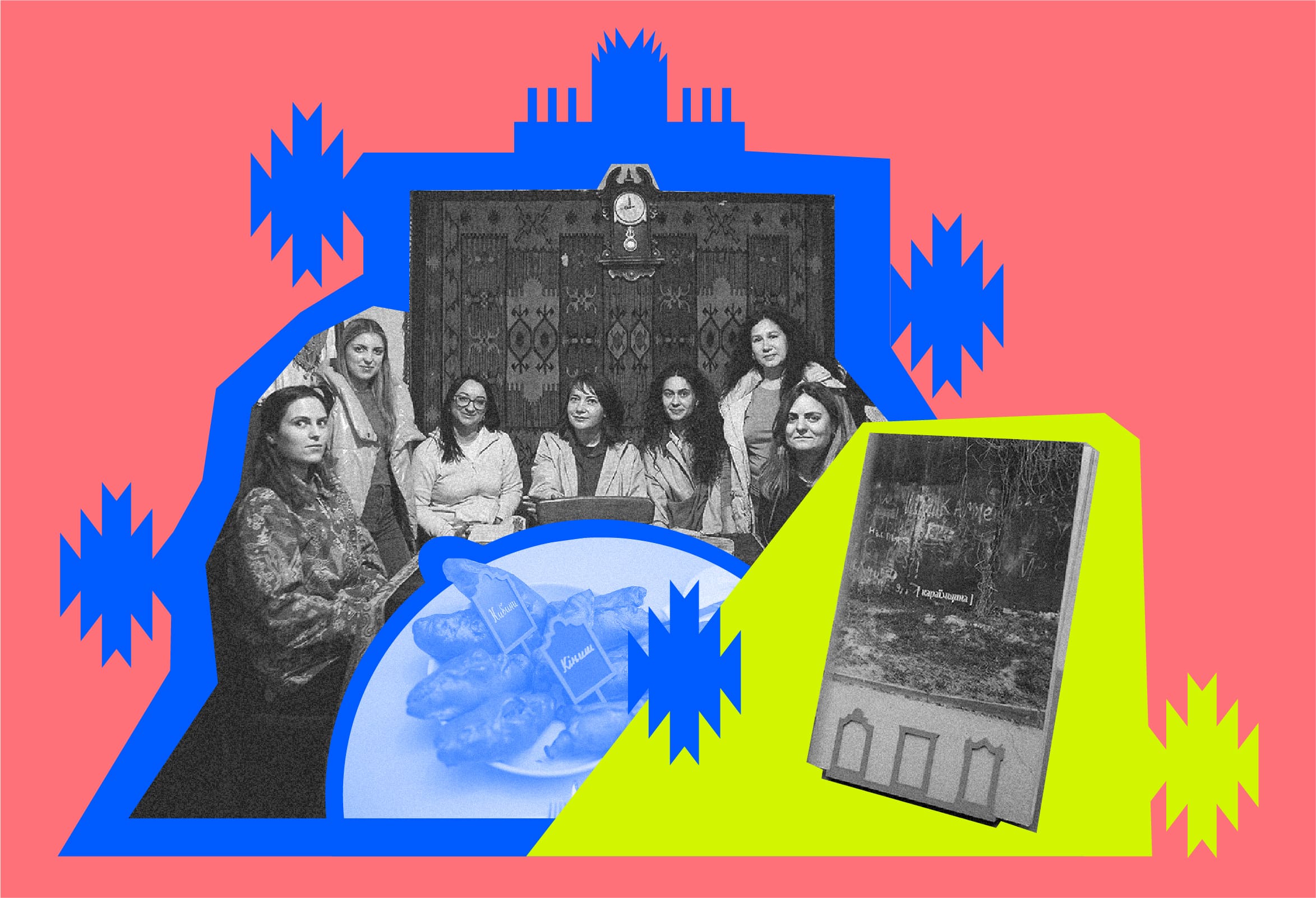
‘We are still recognised because of this project, even outside Lutsk. When people hear that we are misto.media, they immediately say, “So you’re the ones who wrote about the Karaites,”’ Liudmyla Yavorska, the project manager, shares.
A year ago, she and her team set out to research the history of the local Karaites, one of Ukraine’s small indigenous peoples, who had one of the largest settlements in Lutsk during the Polish–Lithuanian Commonwealth. Today, the only remaining representative of this people resides in the city.
The idea emerged after the team read the book ‘The Karaites in Volyn.’ A quotation ending with the words, ‘In the name of a dying people, I ask you to write something about us!’ inspired them so deeply that they could not let go of the idea. To bring their plan to life, they secured a House of Europe Media Content Grant. This is how the project Karayimshchyna. Those Who Disappear was born.
We spoke to Liudmyla about the challenges the team faced in piecing together this historical puzzle, what impressed them during the research process, and the role local media play in Ukraine today.
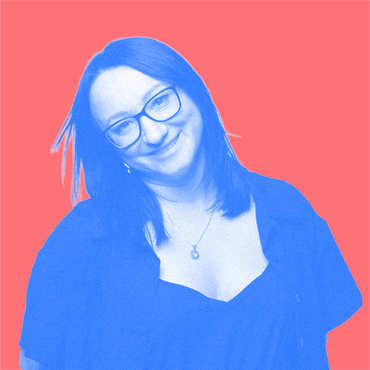
Before I got my hands on this book, I knew very little about the Karaites. Only that Lutsk was a multicultural city and that there was a Karayimska Street. And there was nowhere to learn more, because even the local museum does not have departments dedicated to this topic.
So, when the idea of the project appeared, my team and I immediately became excited about it. We held a full-scale strategic session. Among other things, we thought about how to engage a younger audience with this historical topic—at one point, we even wrote down the phrase ‘get the zoomers interested’ on a piece of paper (laughs).
Why did we get so excited? In the media, we have a rule: ‘We do this to achieve what?’ It applies both to smaller pieces and to special projects. In this case, we clearly understood that this was an important story because it represented an unexplored chapter in the city’s history, and we had both the opportunity and the skills to draw attention to it.
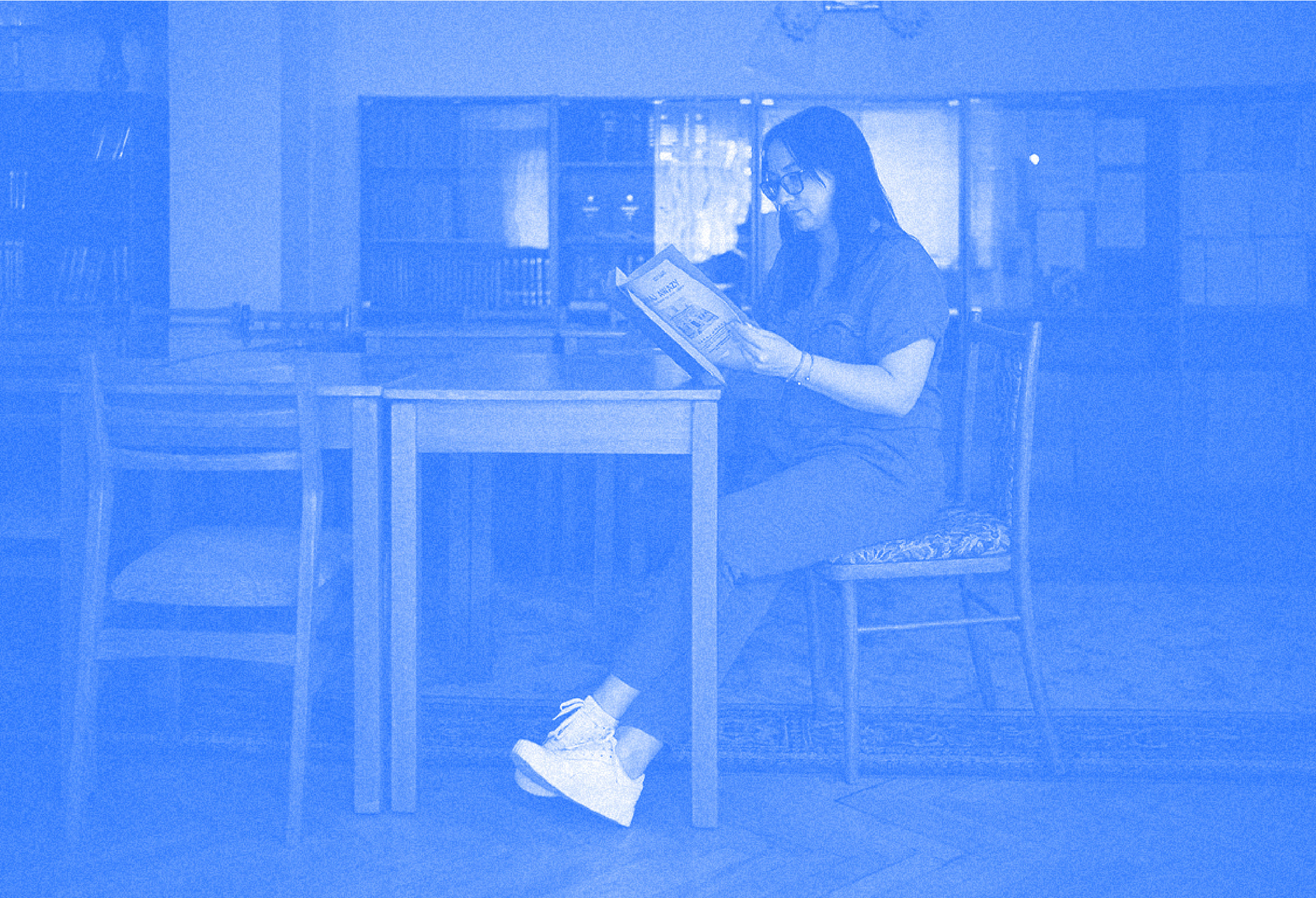
There is also a widespread perception that the Karaites are rather reserved. Even Yosyf Eshvovych (the last officially registered Karaite living in Lutsk — author’s note) was reluctant to engage with us, whereas his wife, Lydia, who is Ukrainian, was more open. I do not know where this reserve comes from — perhaps it is rooted in deep historical trauma — but it is what it is. Yet the existence of an entire people is, in my opinion, a treasure, something that deserves to be spoken about, so we took it upon ourselves to be their voice if they themselves did not wish to speak.
During our research, we travelled to Halych — the second city in mainland Ukraine with a large Karaite settlement — where only one confirmed Karaite remains, but where the Museum of Karaite History and Culture and a number of houses have been preserved, some of which were later purchased by descendants of former residents. In Lutsk, Karayimska Street is little more than a name: only one former Karaite administrative building has survived.
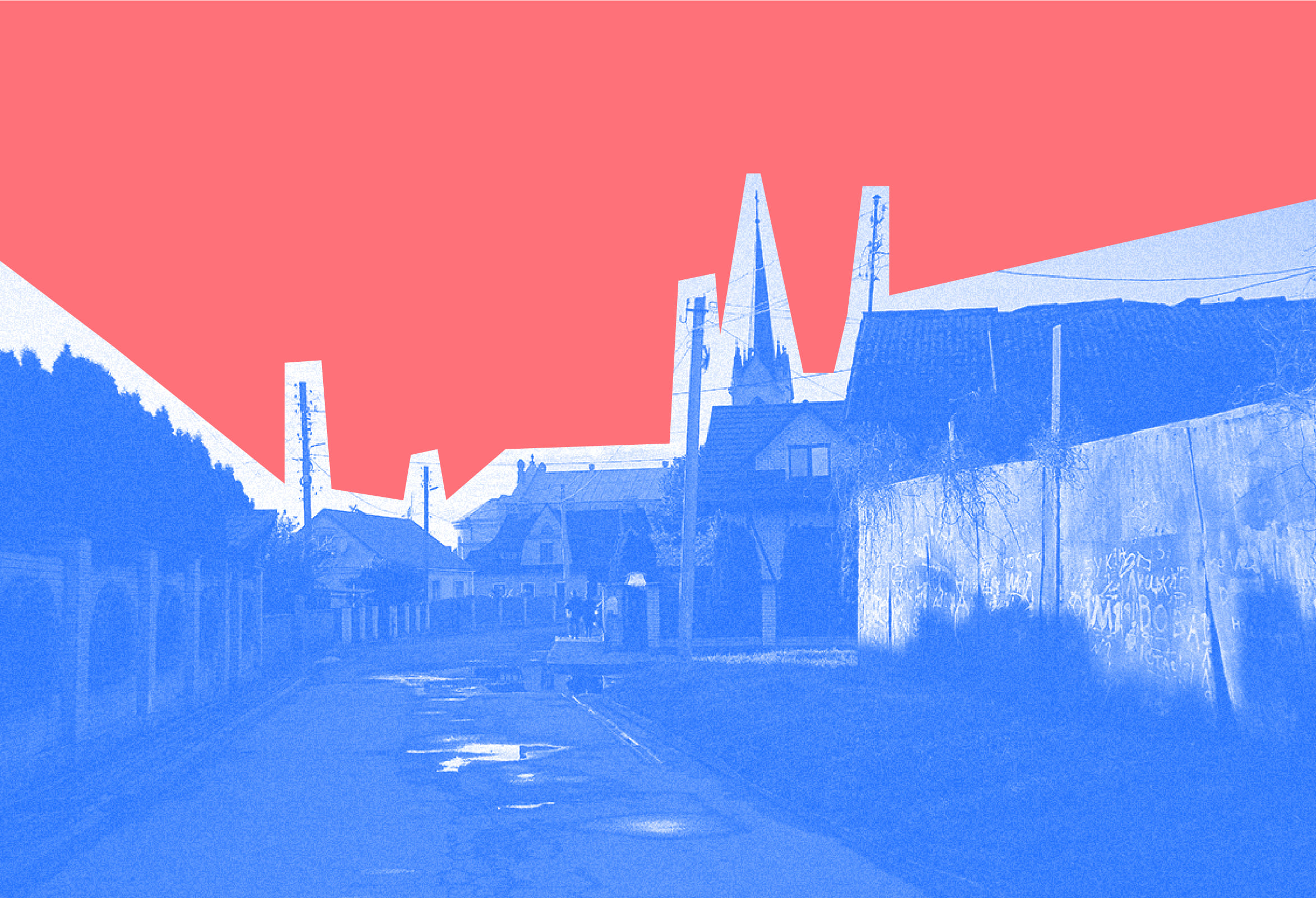
As a result of this research, my understanding of the extent to which the Soviet authorities deliberately destroyed things in Ukraine has deepened. Wherever you look, you see traces of it.
But the team’s greatest discovery and surprise was the number of responses we received — in comments on social media and from people we knew personally. People shared stories about Karaite relatives or former classmates. What is more, these were often very distant, fragmented memories — as though someone knew that their relatives had been Karaites but did not really understand who they were. This is probably the clearest reflection of how thoroughly the topic was silenced. At that time, national identity was hidden to such an extent that people unknowingly lost touch with their own roots.
And these stories came from both local residents and people across Ukraine. One serviceman, himself a Karaite by birth, even wrote to us asking for contacts so that he could obtain a copy of the magazine.
So, I think that if this project helped several families rediscover this forgotten part of their history, that would already be a wonderful outcome.
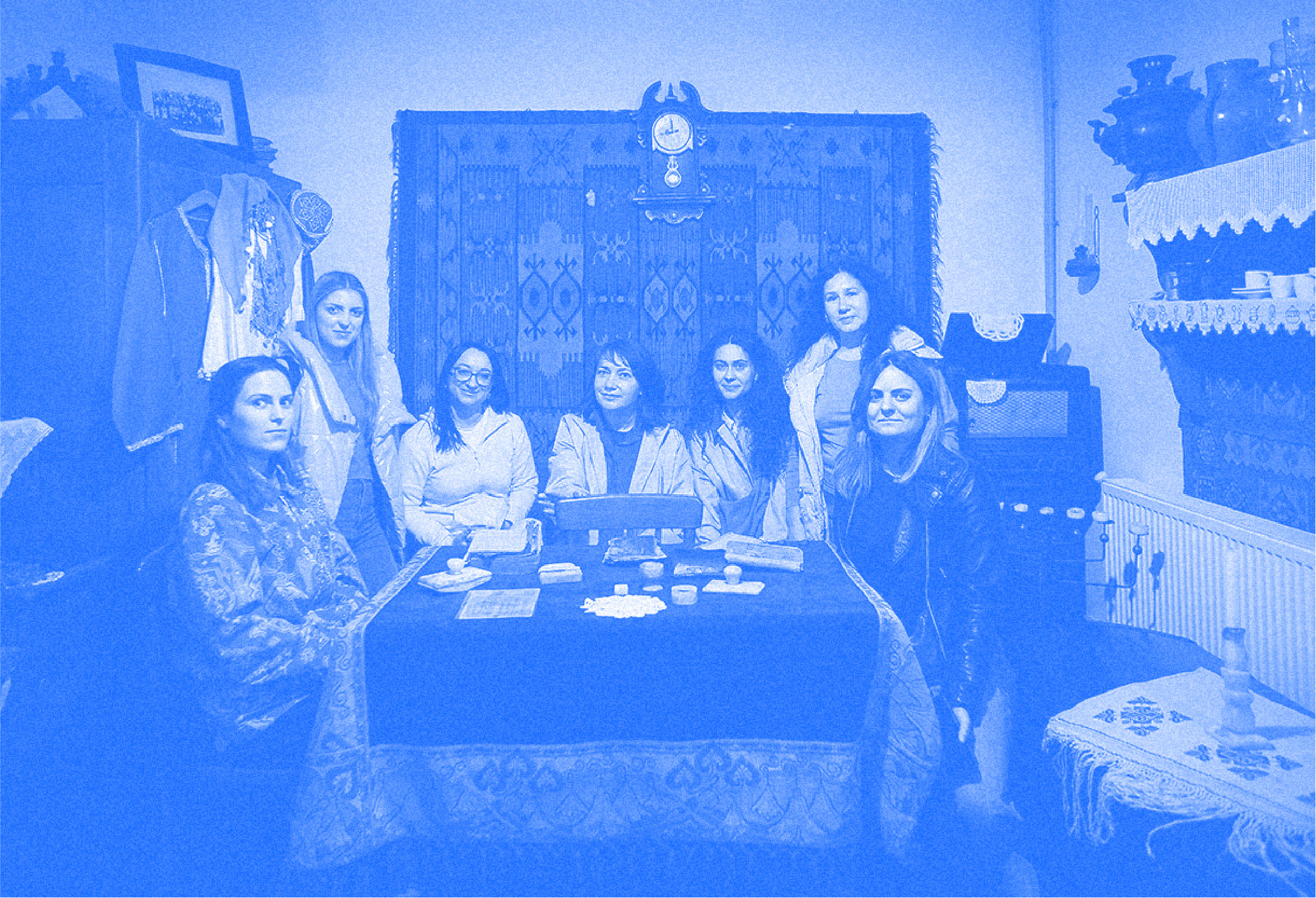
At the beginning of the research, we understood that simply publishing a series of lengthy articles would not be enough — we would miss an opportunity to attract broader attention. That is why we planned a wide range of activities. The Media Content Grant made it possible to organise everything on such a visible scale.
Since the grant requested that considerable attention should be devoted to promotion, this immediately set us on the right path. This is a common problem: media outlets produce a great deal of content, but there is never enough time to distribute it properly. Yet experience has shown us that effective promotion makes a real difference, and we have taken that lesson to heart.
Moreover, without the grant, we would never have found the resources to produce the magazine to a high standard, organise events such as a gastronomic evening, create a promotional video for local cinemas, or produce the six videos that formed part of the project.
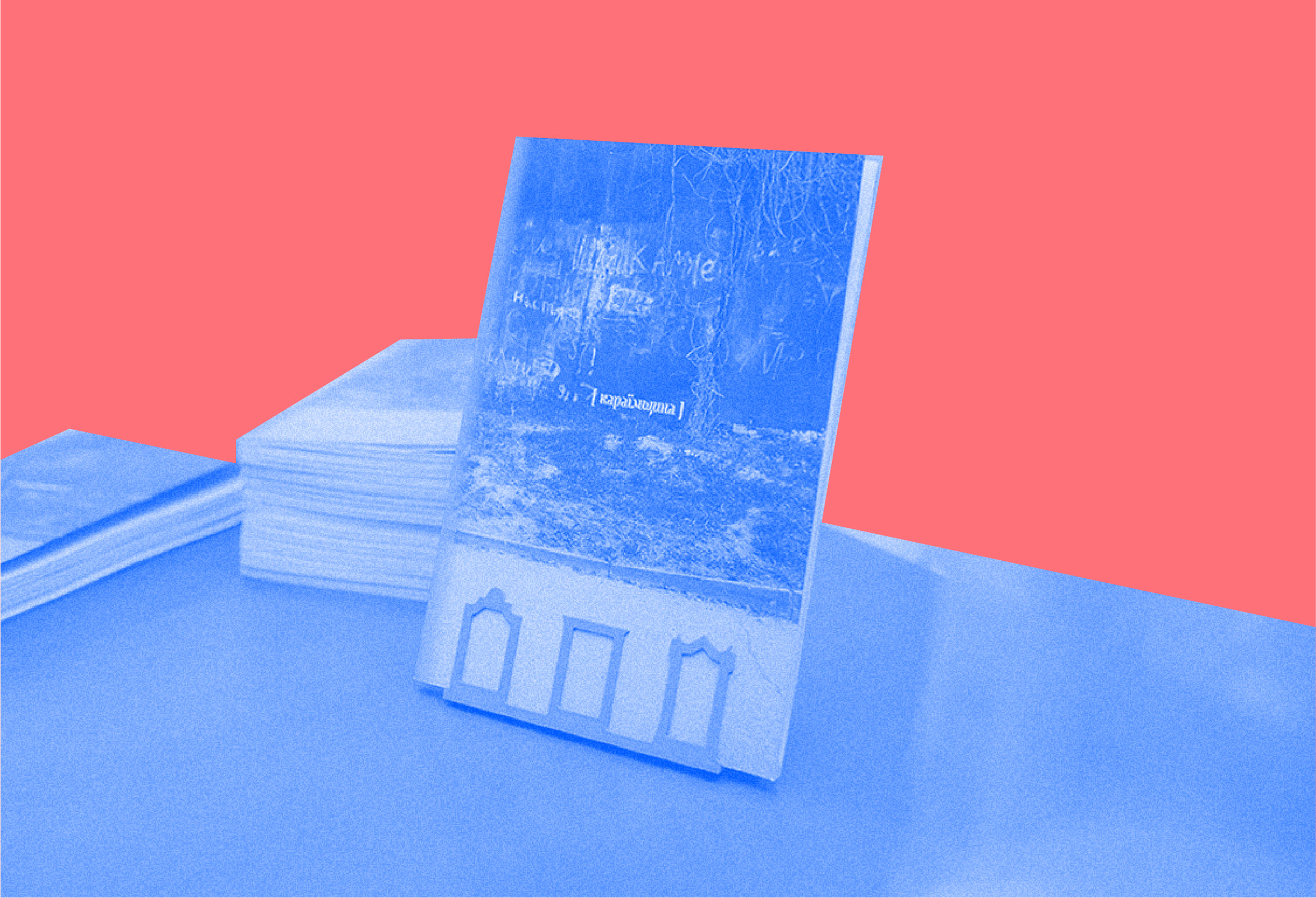
After all, we have a more ambitious goal: to continue promoting these ideas. The main thing is that so much has now been documented, which will make it possible to develop historical initiatives in the future, both for the city and for the country as a whole.
By the way, Kateryna Musiichuk, the head of our tourism department, now takes a supplement to the magazine with her on excursions — a small, limited-edition newspaper created in the style of the only newspaper that was ever published in the Karaim language. She shows tourists the building where the publishing house once stood; today, it houses a café.
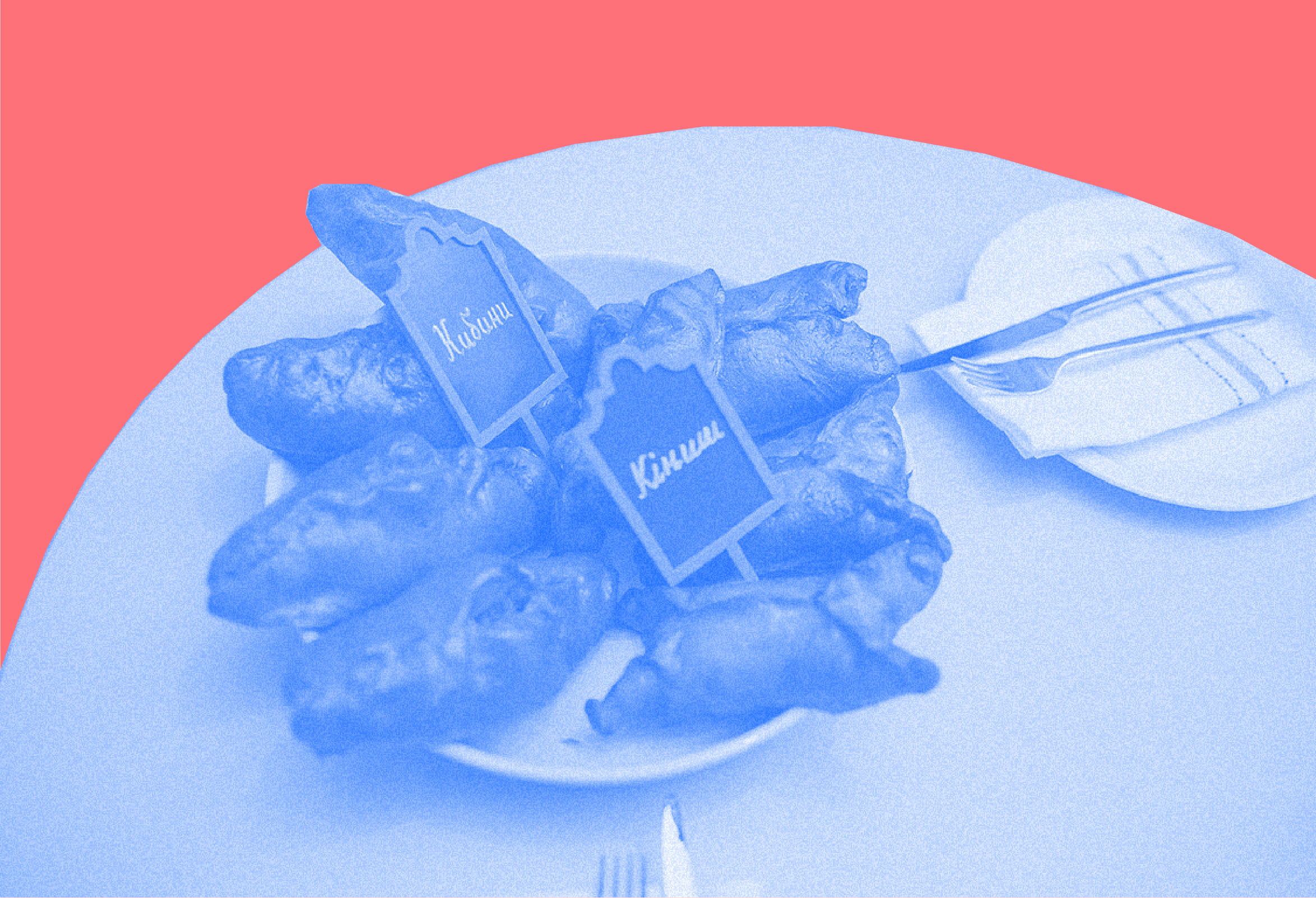
At the same time, we explored Karaite cuisine, and our friends at misto.cafe recreated traditional Karaite recipes, adding dishes such as kybyny and kinysh — traditional Karaite stuffed dumplings — to the menu. So, this story is already resonating more loudly, and rightly so. Why is it that, even when we would rather not, we remember the Soviet chapters of history, yet fail to acknowledge such an important chapter in the city’s past?
We began our work during the full-scale invasion, and we understood that we had to focus on themes that would help Ukraine endure: to show what is valuable here, to demonstrate that we must continue to live, work, and persevere so that, once the war is over, there will still be a place to return to. Our common goal is to bring people together and create a strong community, even under the conditions in which we now live.
And this desire for unity is something people feel very strongly. Since 2022 in particular, many have begun to reflect more deeply on the things that keep them here, the things that connect them to this place — and very often, the answers are found in certain local things. I believe that this need for unity stems from the need to feel that one is not alone.
At the same time, another trend has emerged: people increasingly long for face-to-face interaction. We managed to respond to this need within the framework of the project by organising a public discussion with Nadia Vasylchuk, a researcher at the Museum of Karaite History and Culture in Halych, as well as a private presentation of the magazine at misto.cafe.
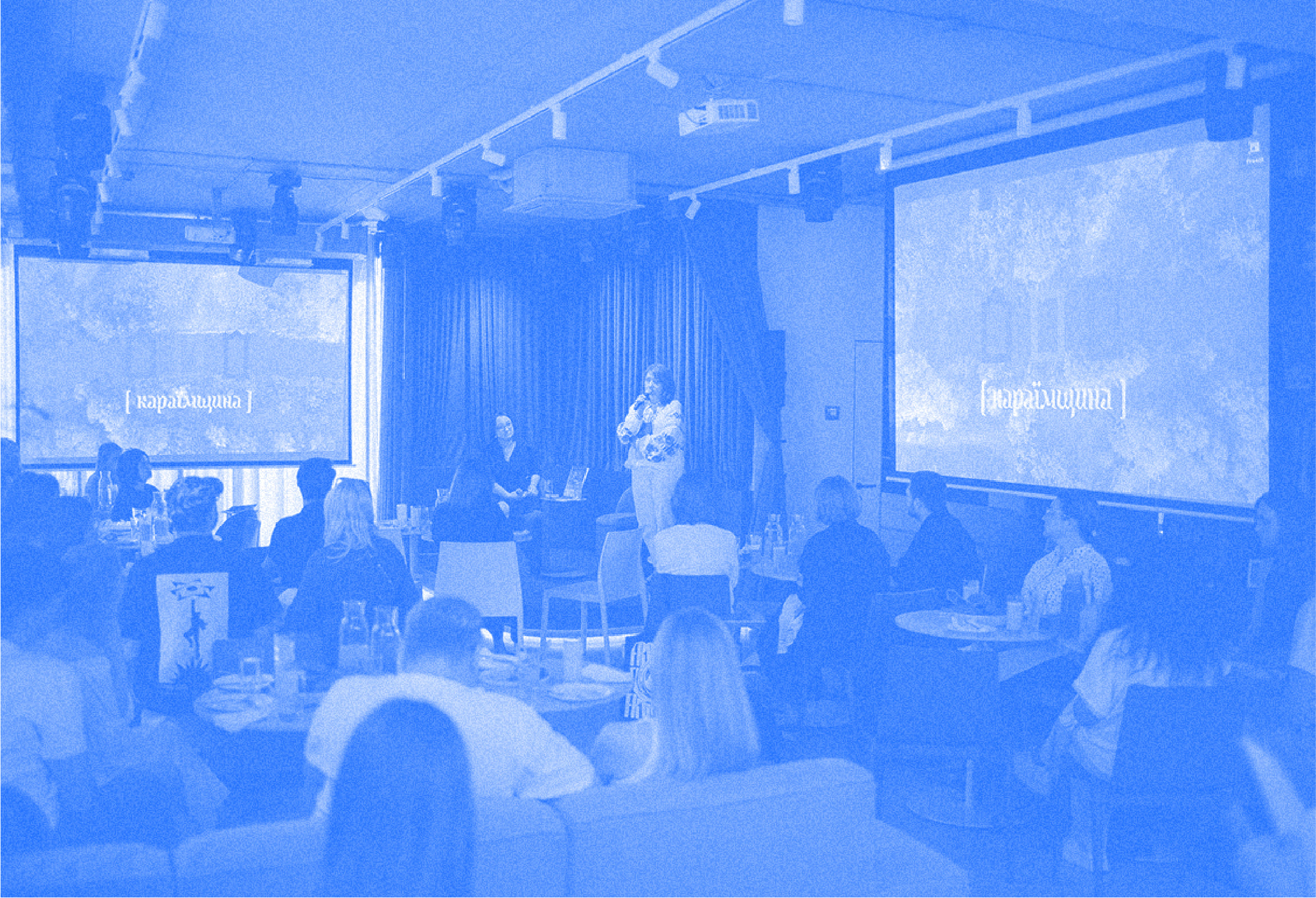
Over the past two years, however, we have also launched two offline initiatives that have become remarkably successful for a city of this size. These are the book club ‘The city reads’ and the sports and urban project ‘The city moves’. Both attract large audiences. People attend the book club, get to know one another, and then form smaller circles and communities of their own. And I believe that this is both our strength and our potential for the future.
Text: Kateryna Amelyna
Editing: Viktoriia Osipova
Translation into English: Iryna Goyal


It seems you are using Internet Explorer. Please consider browsing with Safari, Google Chrome or Mozilla Firefox for a better user experience with our website.