

Our live updates in social networks
Be the first to know about new opportunities right next door or abroad. We tell you right away what is in store for you and how to go for it.

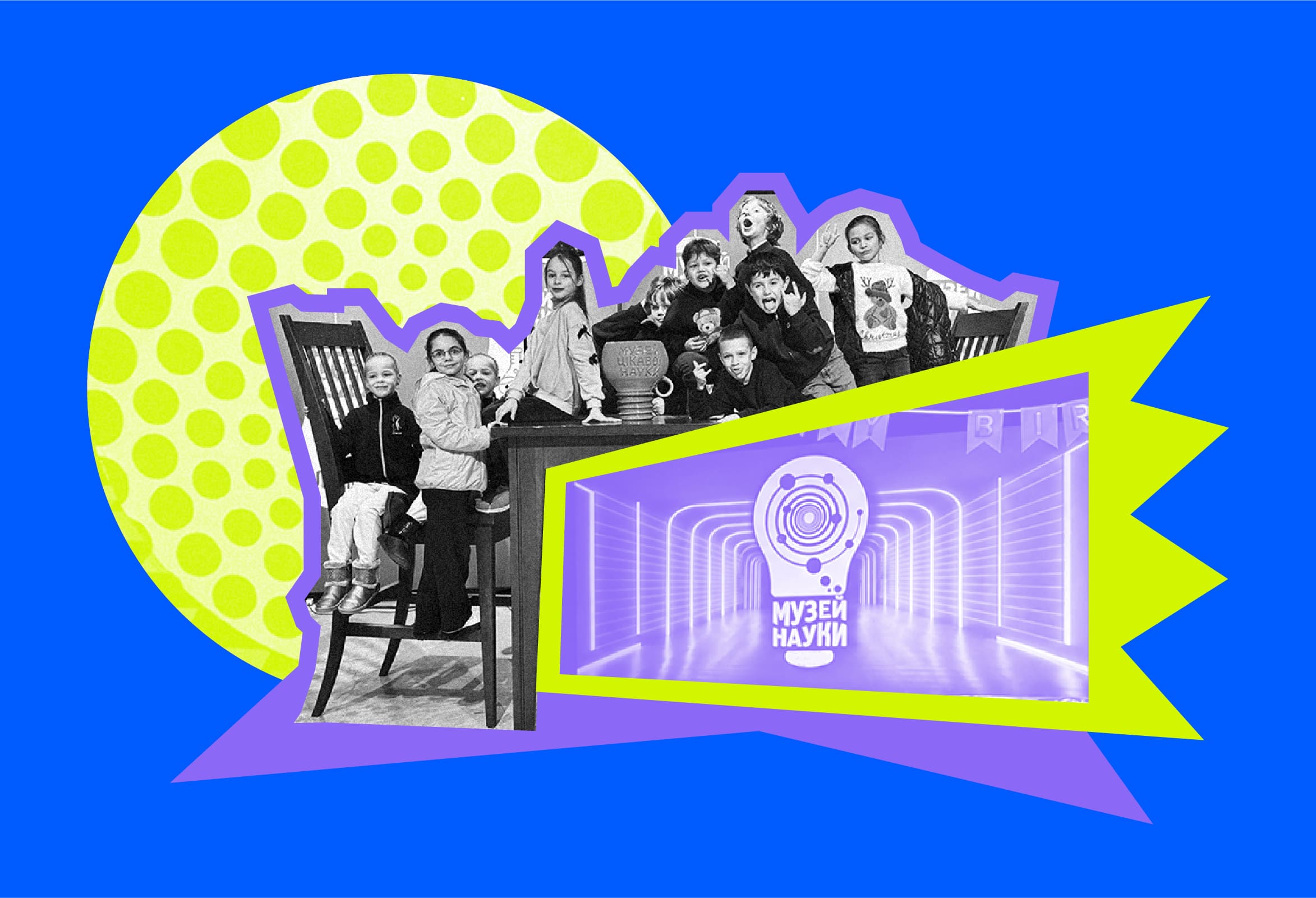
How do you encourage children to put down their gadgets? The Museum of Interesting Science knows the answer. This educational and interactive space in Odesa has been doing just that for more than ten years.
Since 2019, it has been led by Olena Liubykovska, and during her tenure the museum has faced numerous challenges: the pandemic, the outbreak of the full-scale war, and, in 2023, a missile strike that destroyed part of the exhibition.
The team had to relocate and adapt to a new venue: redesign the layout, carry out renovations, reinstall the exhibits and rethink the museum’s identity. The Creative Business Boost programme from House of Europe helped make this possible.
We spoke to Olena about how she found the inspiration and strength to continue the museum’s work in a city that is frequently shelled, how the full-scale war has affected working with children and doing business.
When the full-scale war began, we closed our doors because we did not know how to work with children during air raids. We then merged our collection with the Small Academy of Sciences, relocated part of the team and 30 mobile exhibits to Lviv, and later to Chernivtsi. We began offering free guided tours for displaced children to support them, at least a little, after their relocation and all the incredibly difficult changes they had been through.
At the beginning of 2023, we finally understood how to operate under the new circumstances, prepared to reopen, and equipped a shelter on the minus first floor. In the end, it was fortunate that we had not reopened in time, because a missile struck our building in June. It happened at night and, fortunately, no one was injured.
The strike destroyed part of the exhibition. We lost the mirror maze, the built-in planetarium, and the optical room.
We had to find new premises and remove our property. It took us around six months to dismantle and transport the surviving exhibits. Friends, volunteers, acquaintances, and caring local residents all came to our help.
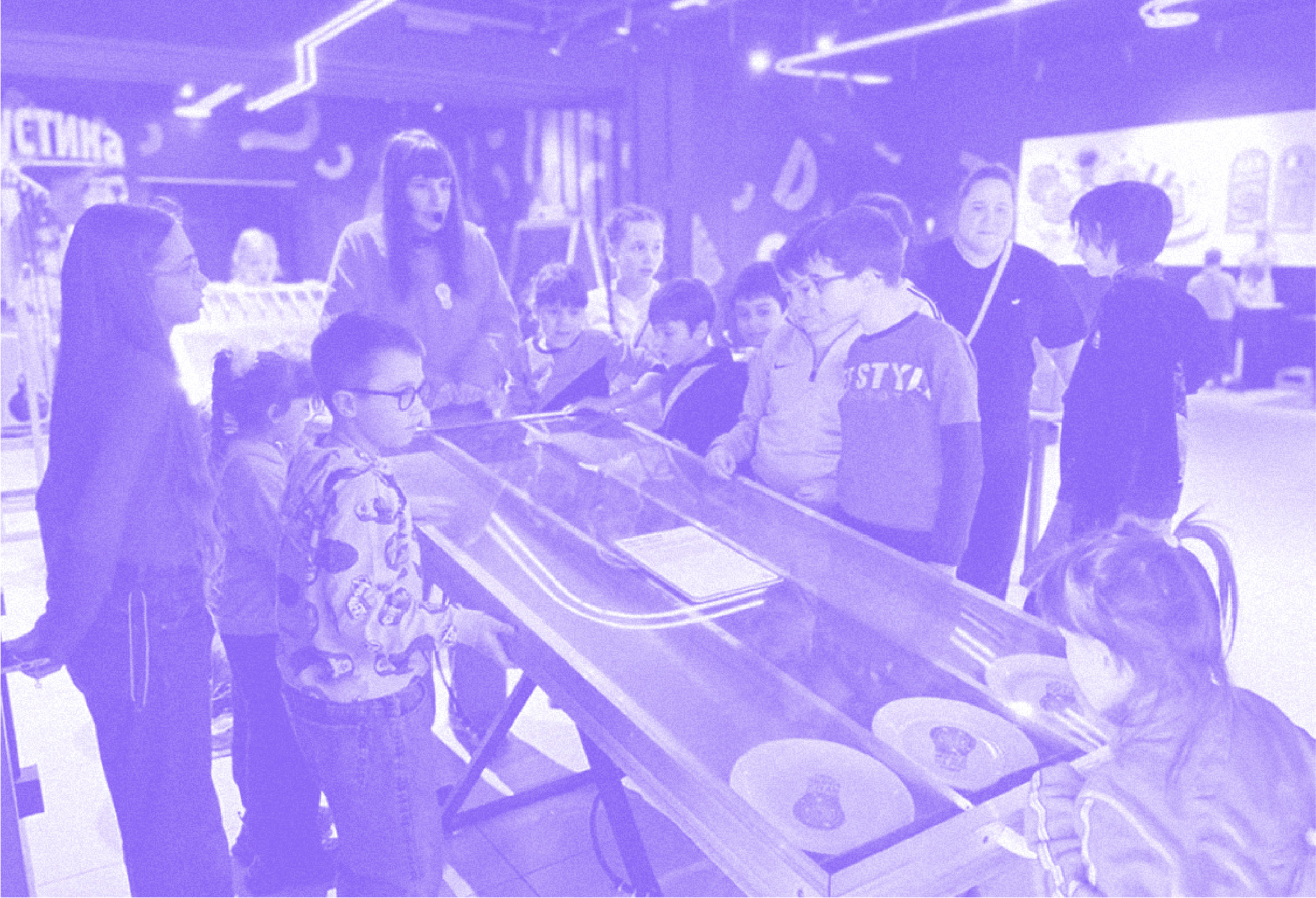
While we were moving, the owner of one of the city’s shopping centres called me to ask whether we could create a science-entertainment space there.
At first, I turned down the idea because the location was inconvenient. But then I realised that many children lived nearby and the area was subjected to fewer attacks. So, we opened a small branch with 20 exhibits, and it generated such a response: visitors came, the media covered it, and other shopping centres started getting in touch with us.
Later, we found premises in Arcadia that were three times larger and opened another branch. Volunteer organisations, the Odesa Regional Military Administration, and groups of children from frontline areas all reached out to us. That was when we realised we were no longer simply running a business, but a powerful social project.
At the same time, we were preparing our main premises. People constantly asked when the large museum would be ready, but it was a slow process. We needed time to secure grant funding because our own resources were limited, and as a result, the zoning and renovation work was delayed.
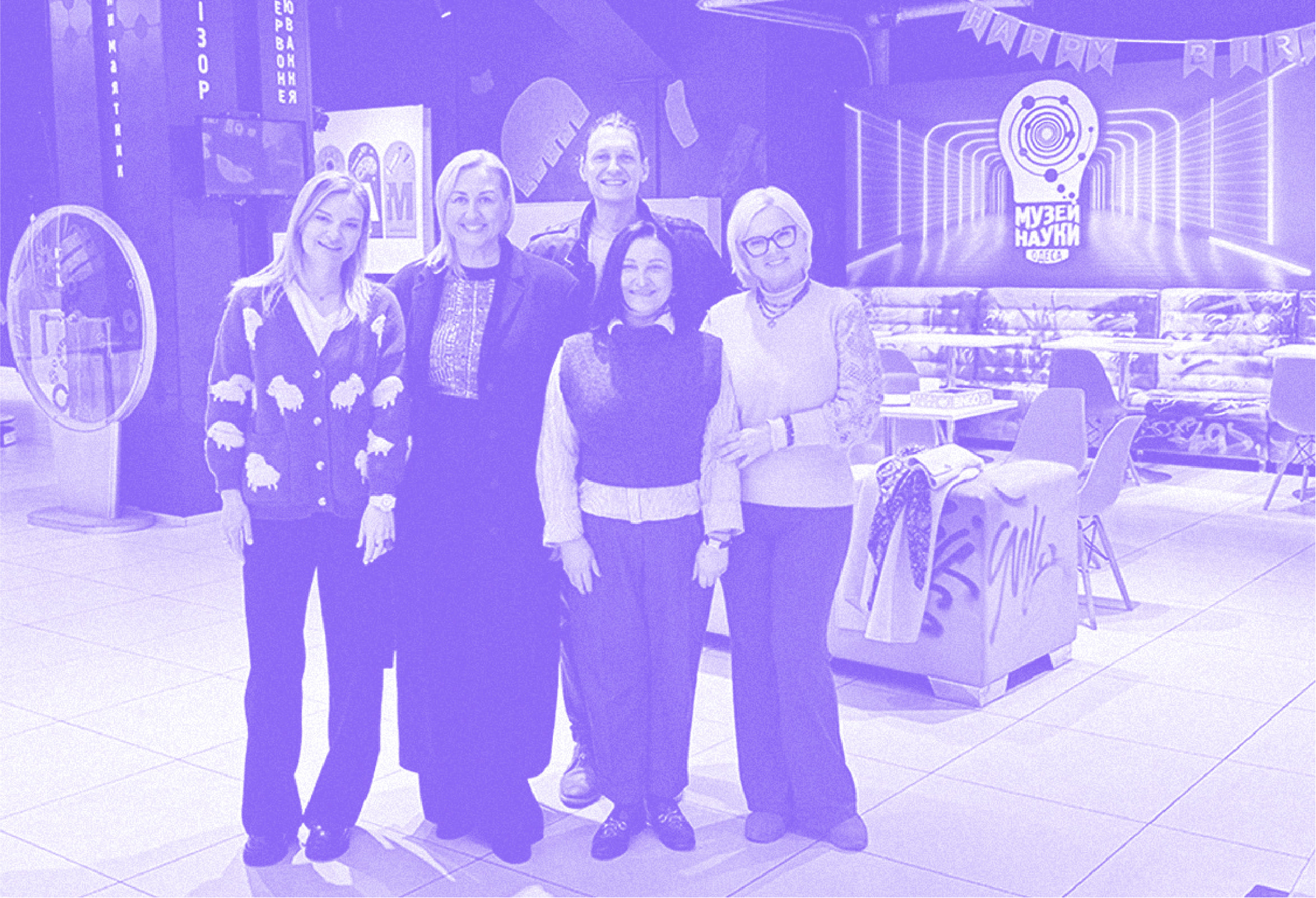
When support from House of Europe arrived, we were finally able to complete the sound installation and other critical work, such as fire safety measures. It truly gave us a new lease of life. Without the programme, we would probably have had to put the opening on hold.
The consultations with my mentor, business expert Inna Shynkarenko, were also incredibly valuable. She helped me build effective official communication with the city and regional administrations, find the right words and messages, and see clearly who I should work with, where I should go, and how to approach senior officials.
The communication strategies discussed during the international webinars also resonated strongly with mebecause, before the strike, we had one story, and afterwards an entirely different one began — a tragic yet heroic story. I still tell it today. It lives inside me like a separate exhibition that I one day want to create about the museum’s history, on a grand scale, so that everyone who enters this renovated building understands the journey we have been through.
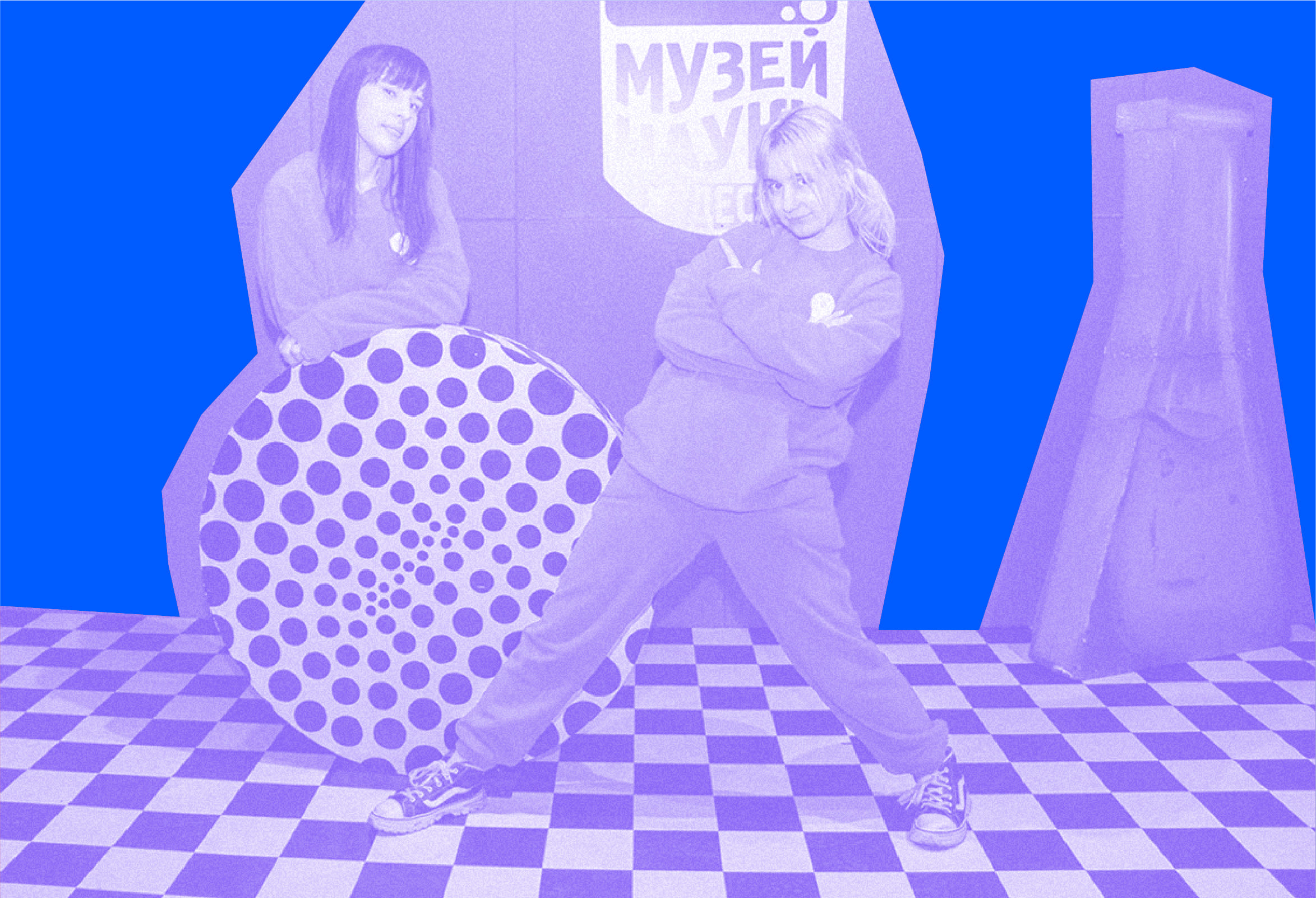
Today, the museum is operating at full capacity. We have welcomed the Zelensky family, as well as veterans who came to Odesa for the opening of the Superhumans Centre. That means more to me than money because it reflects the greater mission of rebuilding the country: not giving up, not walking away, but restoring what has been damaged together with Ukraine.
From what I see among our visitors today, the number of military personnel and their families, as well as internally displaced people, has increased significantly. At the same time, the number of children visiting has decreased since the start of the full-scale invasion. Previously, entire classes would come, sometimes even whole schools. Now such visits are much less common.
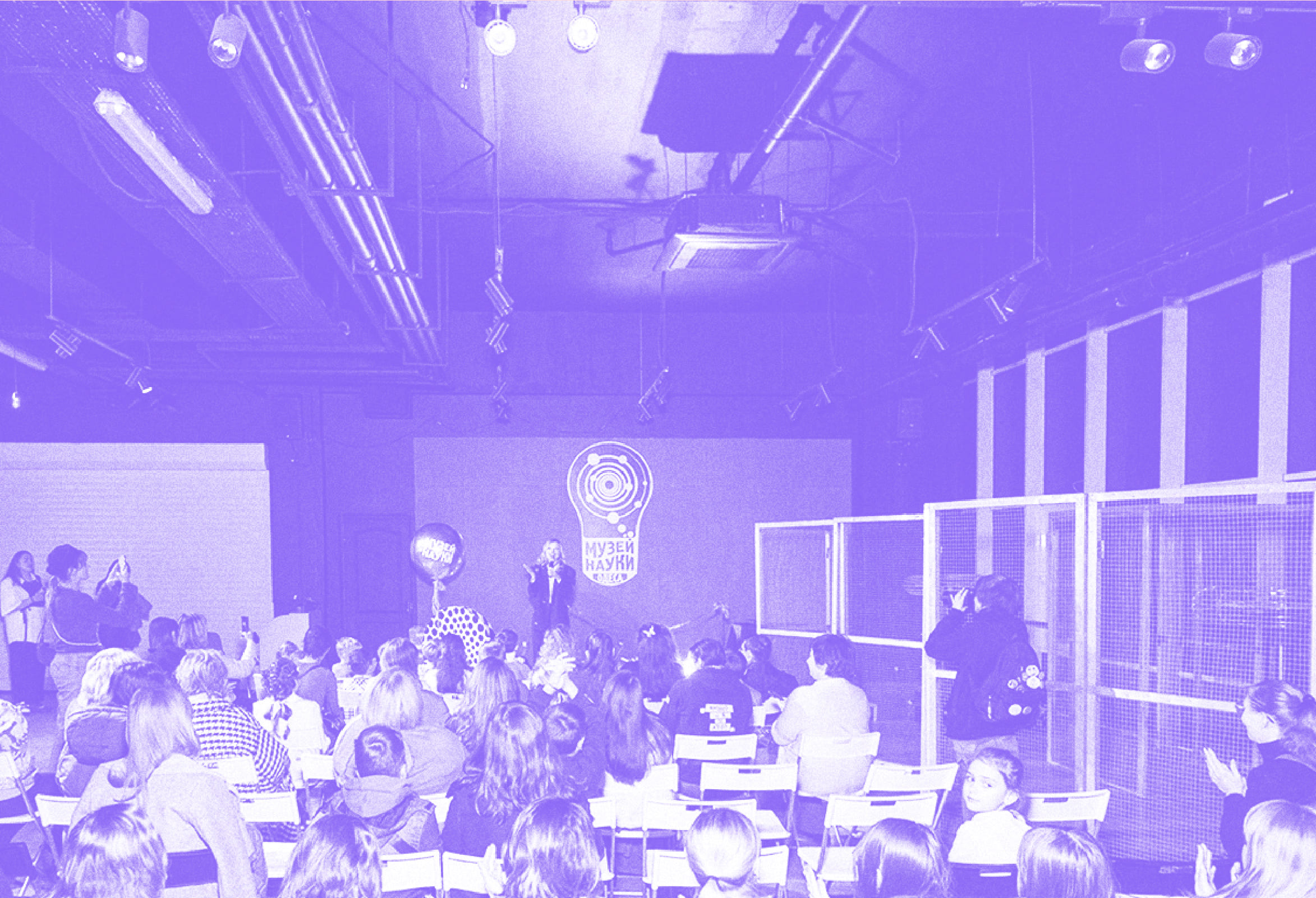
Whenever there is shelling, group visits are postponed because people are understandably afraid to take children out, even though we have a shelter. In fact, it is not so much the number of strikes that affects attendance as the frequency of the air raid alerts. If there were alerts yesterday and the day before, followed by two quiet days, visitor numbers recover. But if the alarms continue throughout the week, both day and night, it has a real impact on our work.
The blackouts were especially difficult because they affected heating in the building, and we still do not have a sufficiently powerful generator. We are currently working on that and applying for support through a state programme.
During the winter blackouts, we came up with a new format. Instead of waiting for visitors, we travelled to schools across the city and surrounding region, delivering science shows and educational programmes for children directly in the shelters.
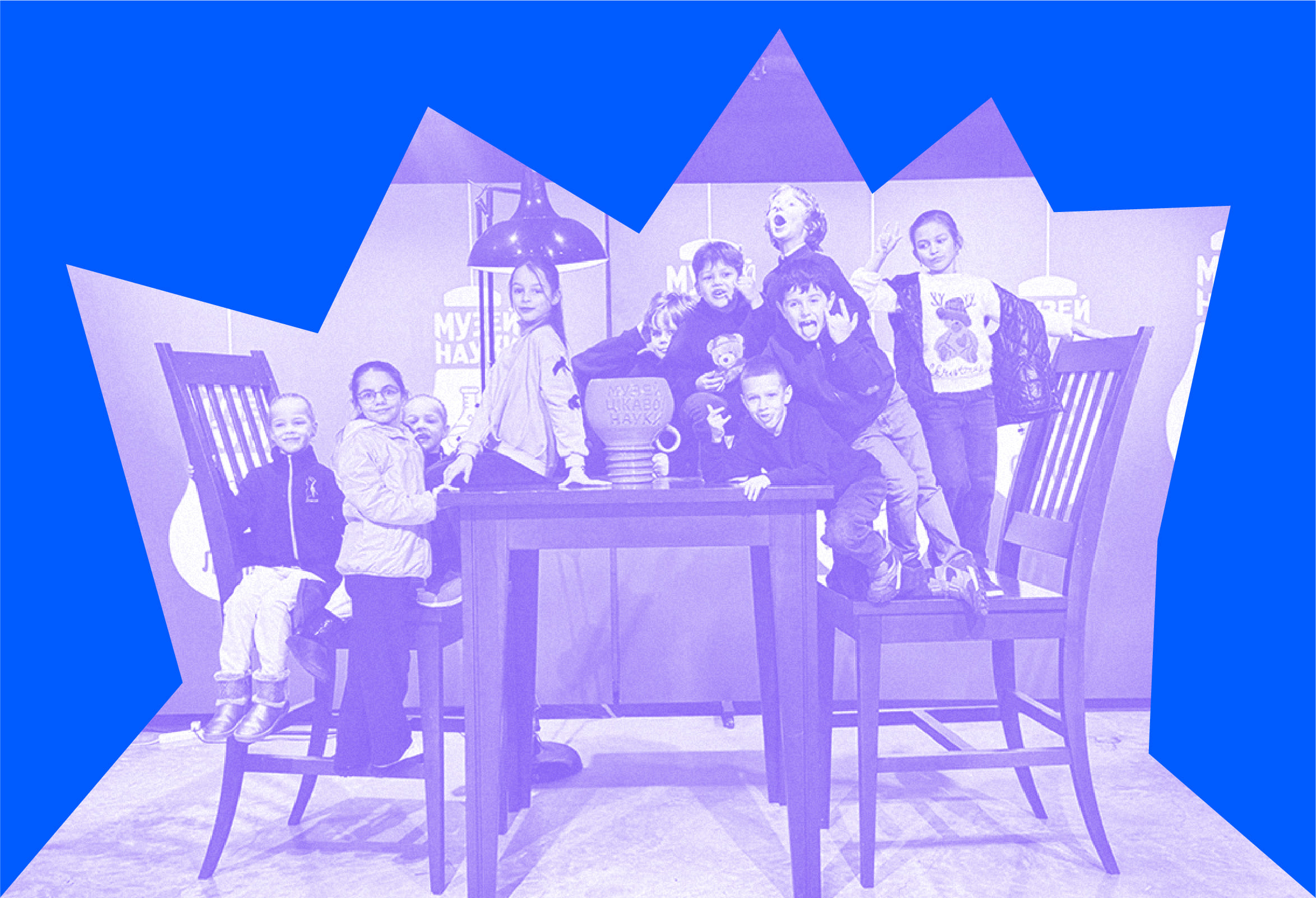
Fortunately, our museum has a simple concept: put your phone away, listen to the guide, and interact with the exhibits. Children genuinely enjoy playing with something other than a phone — we simply do not usually give them the opportunity. Here, they experience real mental relief by doing things with their hands, analysing, experimenting and thinking. A phone, on the other hand, often creates tension and anxiety, even though many people assume children are perfectly happy with them.
That is why children often forget their phones altogether. The accompanying adult comes to ask whether one has been lost, only to discover that the children simply put their phones down and forgot about them.
The other day, something happened that perfectly illustrates this. A child came to the museum with a day camp, and when the mother arrived to collect them afterwards, she ended up buying another ticket because her child said, 'Come with me. I want to show you everything.' And the child wanted to give the mother a tour themselves. It is moments like these that keep us going — when a child learns something new and immediately wants to share it with someone else.
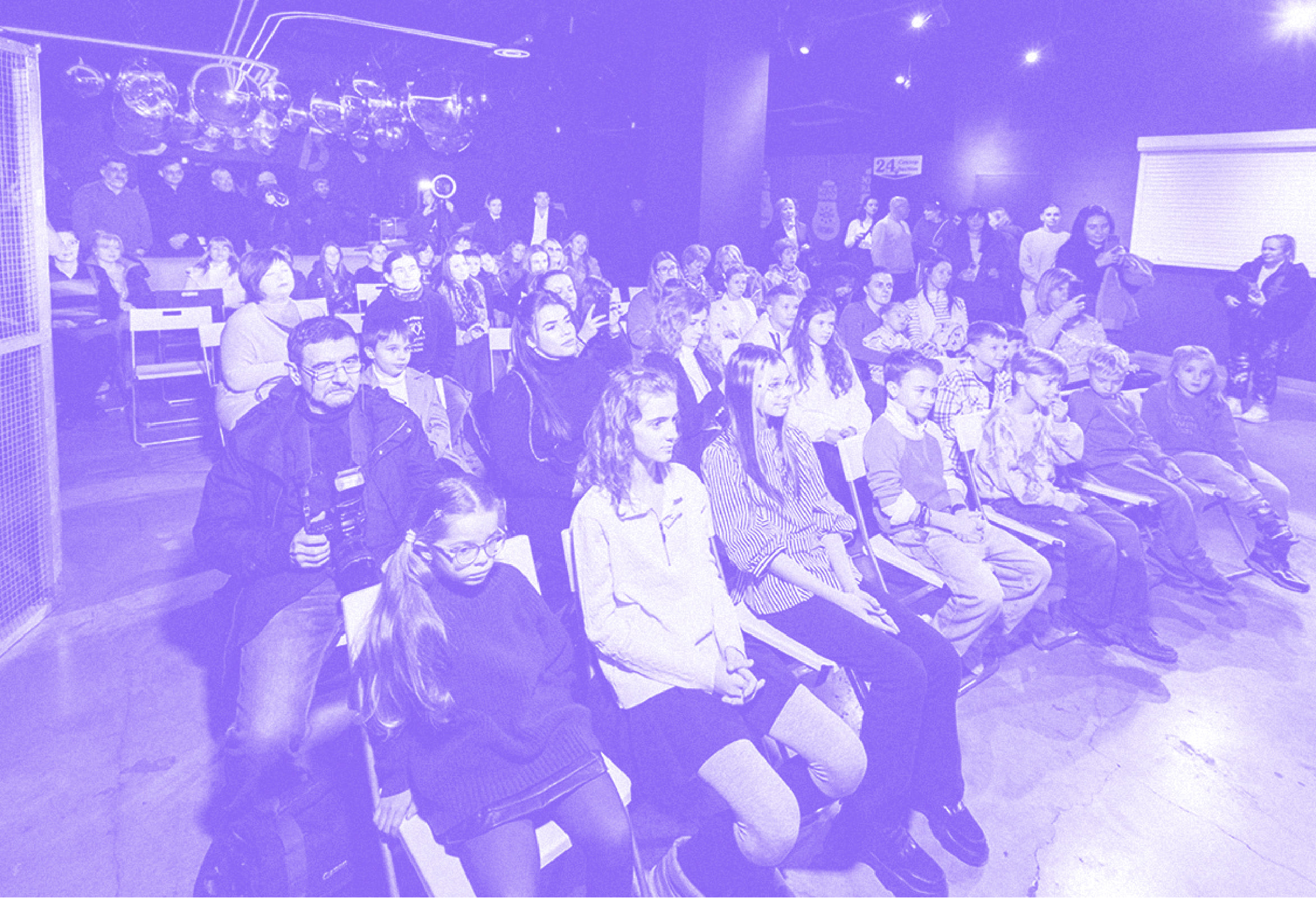
That is why we have so many plans for the future. The building we occupy now has enormous potential for expansion. I want to create rope courses, two-level crawl spaces beneath the ceiling, a spy room and a mirror maze.
And once the war is over, we will also be able to develop the museum's outdoor area. We are surrounded by a beautiful park, where we could create an open-air water attraction.
Text: Kateryna Amelyna
Editing: Viktoriia Osipova
Translation into English: Iryna Goyal


It seems you are using Internet Explorer. Please consider browsing with Safari, Google Chrome or Mozilla Firefox for a better user experience with our website.